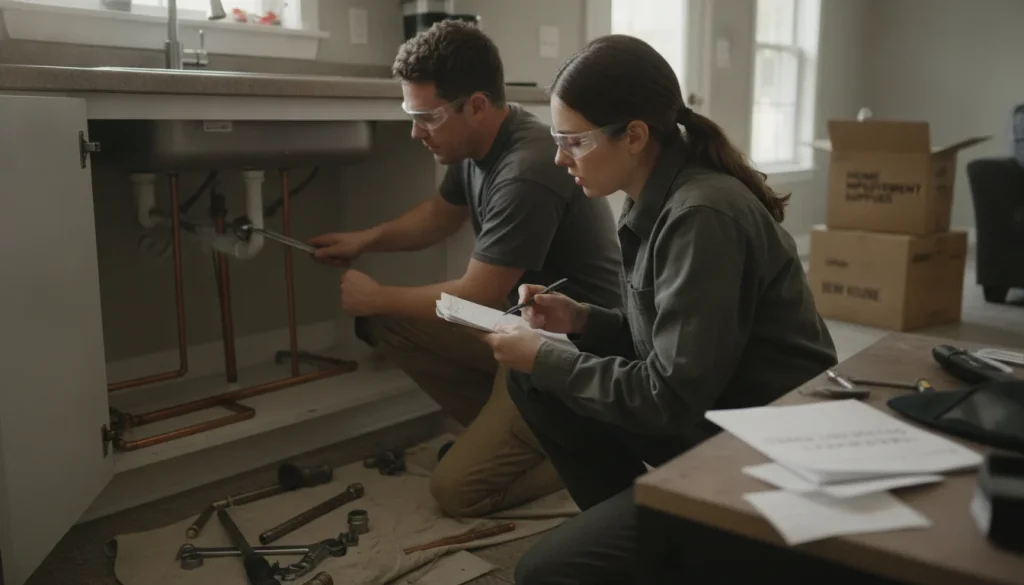
New keys, new surprises: it’s common to find a slow tub drain or a drip right after closing. In Miami Shores, repairs often come down to what failed, how old the system is, whether the work is accessible, and any permit or code updates required by Miami-Dade. Here is the direct answer: plumbing repair costs after buying a house depend on the specific issue, pipe age and type, access conditions, and any code upgrades or permits required; simple fixes go quickly, while hidden damage or hard-to-reach piping takes longer.
Key Takeaways
- Focus first on leaks and safety, then plan upgrades.
- Issue type, access, and code requirements drive time and scope.
- Older Miami Shores homes may have cast iron drains that need extra evaluation.
- Camera and pressure tests reduce surprises before big decisions.
- DIY simple maintenance; call a licensed pro for anything behind walls or involving gas.
Plumber Miami Shores works across Miami Shores every week helping new owners plan smart repairs. The goal is clear steps, not guesswork.
1. What homeowners usually fix first
Leak detection and pipe repairs. Leak detection finds the source of water loss using acoustic tools, dye tests, or pressure checks. Small leaks often come from worn joints, valves, or pinholes. Pipe repairs are simpler when access is open; work in walls or slabs needs more planning, especially in older houses where finishes or terrazzo floors are common.
Drain cleaning and sewer line repairs. Drain cleaning clears clogs in sinks, tubs, or main lines. A sewer line (also called a sewer lateral) carries waste from the house to the city main. In Miami Shores, older cast iron laterals from pre‑1975 homes can corrode, and tree roots from ficus or oak can intrude at joints. A sewer camera can document cracks, dips, and standing water before they worsen.
Water heater repair or replacement. A water heater warms water for baths and dishes; common fixes include elements, thermostats, anode rods, or igniters. If the tank label shows an age near typical lifespan (often about 8–12 years for many tank models), a permitted replacement may be the safer call for reliability.
Toilet, faucet, and shutoff valve replacements. A shutoff valve stops water to a fixture. Replacing worn toilets, dripping faucets, and stuck valves is common after move‑in and can cut wasted water. In condos, coordinate shutoffs with management to avoid after‑hours issues.
Emergency and after-hours premiums. Night, weekend, or holiday work can carry a premium to cover rapid response and extra crew time. If a burst pipe hits, fast help is worth it.
2. What drives the cost of post-purchase plumbing work
Age and material of pipes (galvanized, copper, PEX). Galvanized steel corrodes inside and narrows flow over time. Copper is durable with correct joints. PEX is a flexible plastic line that resists scale and can route through tight spaces. Older or mixed systems often need more fittings, transitions, and checks.
Access, permits, and required code upgrades. Work behind tile, under slabs, in tight attics, or in shallow crawl spaces takes more time. Miami-Dade permitting and inspections can apply to water heater swaps, gas work, and major repipes. Code upgrades make work safer and current, such as adding proper vents, expansion tanks, or seismic strapping where required.
Labor rates, trip charges, and minimums. Licensed pros set rates based on skill, tools, and travel. A trip charge covers getting to the site, and some tasks have minimum billing blocks so the visit is viable.
Hidden issues: roots, corrosion, low pressure. A slow drain can hide root growth or heavy scale. Green stains may signal corrosion at copper joints. Low pressure might point to a failing pressure‑reducing valve. Expect added steps if tests reveal more than one cause.
Condo/HOA and multi-unit considerations. Shared walls and vertical stacks may limit access times, require certificates of insurance, or restrict noisy work. Plan schedules with the HOA to keep projects moving without delays.
3. Buyer checklist: inspections, budgeting, and planning your first year
How to read inspection and sewer camera reports. Look for notes on water pressure, main shutoff location, fixture leaks, and the water heater manufacture date. A sewer camera report should list pipe material, joints, intrusions, cracks, and any standing water (bellies) in the line, plus a clear footage count identifying problem spots.
Set a first-year reserve (1–3% of purchase price). A small reserve cushions unknowns. Start with one to three percent of the purchase price and use it for priority fixes first, like active leaks, unsafe venting, or failing shutoff valves.
Home warranty vs. licensed plumber: what’s covered. Warranties may cover certain parts but often exclude access work or code upgrades. A licensed plumber can diagnose, pull permits, and complete compliant repairs. Compare response times and scope before choosing a path.
When a second opinion or pressure test is worth it. If a fix seems large, get a second opinion. A whole‑home pressure test checks for hidden leaks without opening walls and confirms scope before work begins.
Mention services that fit your plan. Emergency Plumbing is there when a pipe bursts at 10 pm. Kitchen Plumbing can sort supply and drain issues under sinks. Gas Line Plumbing needs a licensed pro for safety. Radiator Repairs and Garbage Disposal Repair handle system‑specific faults. Water Heater Repair keeps hot water steady through the summer storm season.
4. DIY or call a pro? Safe tasks vs. projects to leave to licensed plumbers
Quick wins: clogs, aerators, flappers, and supply lines. Many owners can clear simple clogs with a plunger or a hand auger. Faucet aerators unscrew for cleaning. A toilet flapper swap stops running water. Replacing a flexible supply line is straightforward if valves work and threads are sound.
Jobs that risk leaks, mold, or code violations. Opening walls, cutting and joining pipe, moving gas lines, or altering vents can go wrong fast. A small miss can lead to hidden leaks, mold, and major repairs—leave these to licensed plumbers familiar with local code.
Safety, insurance, and resale disclosure implications. Work done without permits can affect insurance claims and appraisals. Keep receipts and permit records. Clear documentation protects value when you sell and helps future contractors understand what was done.
Conclusion. Most post‑purchase fixes are manageable with a plan. Triage active leaks first, then schedule drain cleaning or water heater care. Build a reserve, document every step, and line up help before hurricane season. Plumber Miami Shores can guide next steps so you spend where it matters homes.
Key takeaways
- Plan a reserve and handle active leaks first.
- Pipe age, access, and code needs drive scope.
- Get camera and pressure tests before big jobs.
- Use DIY for simple tasks; hire pros for risky work.
- Keep permits and records to protect resale.
Frequently Asked Questions
What should I fix first after closing if I find plumbing issues?
Start with anything leaking or unsafe. Shut off water to the problem area, then address active leaks, failed shutoff valves, and clogged main drains. Next, plan water heater service and inspect exposed pipes. Document each step and keep receipts for your records.
How can I predict plumbing repair costs in an older home?
Focus on system age, pipe material, and access. Galvanized or mixed piping often needs more work. Camera the sewer line and test pressure to spot hidden issues. Local codes and permits add steps. Get a written scope from a licensed plumber before work begins.
Is a home warranty worth it for plumbing after I buy?
It depends on coverage limits and exclusions. Warranties may cover select components but often exclude code upgrades and access. A licensed plumber can give a full diagnosis and permitted repair. Compare response times, scope, and terms before choosing a path.
Plumber Miami Shores serves homes and nearby areas with licensed help and clear advice. For fast scheduling and options that fit your plan, Contact us.