Faucet repair cost depends on the faucet type, damaged part, access, corrosion, and urgency. Small repairs are often simpler than replacement, but hidden damage can change the work. This guide helps Miami Shores property owners compare repair and replacement, understand repair costs, and choose a safe next step.
Table of Contents
- How much does faucet repair cost?
- What types of faucet problems usually need repair?
- How much does it cost to repair different faucet types?
- What affects the difficulty of a faucet repair?
- Can you repair a faucet yourself?
- When should you repair or replace a faucet?
- How can homeowners prevent expensive faucet problems?
- Key takeaways
- Frequently Asked Questions
- Conclusion
How much does faucet repair cost?
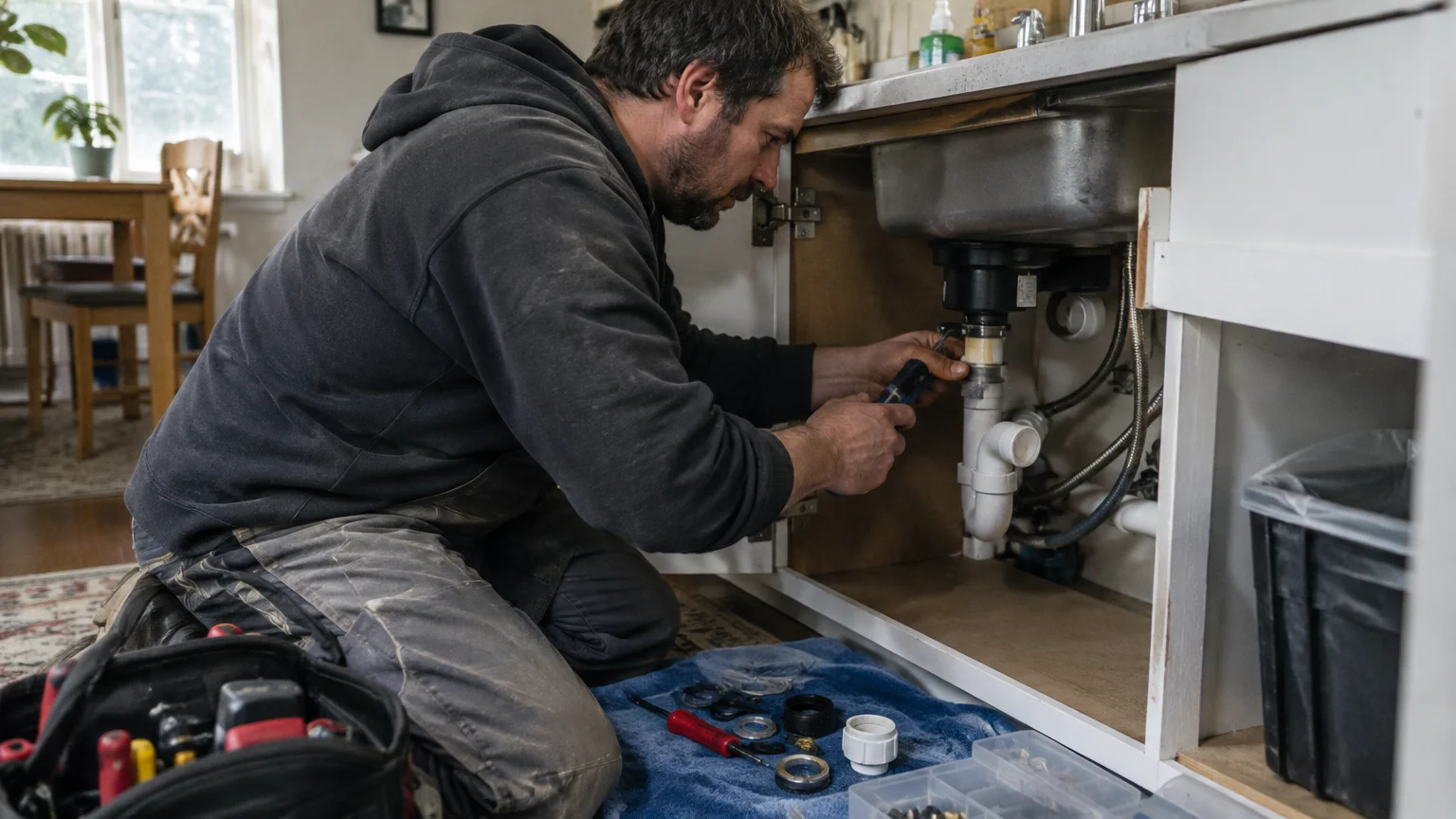
Faucet repair cost changes from one job to the next. A worn washer or cartridge is often one of the simpler repairs. A corroded faucet, poor access, or damaged supply line can make the job harder. The final cost is confirmed on a quote after a plumber checks the fixture and nearby pipes.
What factors influence the total repair cost?
The faucet model is one of the first things to check. Common fixtures may use parts that are easy to find. Older or unusual models may need special cartridges, seals, or handles. Parts can also be hard to remove after years of use.
The location matters as well. A faucet above an open cabinet is often easy to reach. A bathroom faucet may have very little room below the basin. A wall-mounted fixture can take more care because its connections may sit behind the wall.
Water damage can add more work. A small drip may stain a cabinet, wet the floor, or swell wood. A leak below a sink may also damage the shutoff valve or supply line. These areas should be checked before the faucet repair begins.
Urgency may change the work plan. A faucet that will not shut off needs quick attention to limit water damage. A slow drip may allow time to find the right part. Even so, a small leak should not be ignored for long.
How does repair compare with faucet replacement?
Repair often makes sense when the faucet body is still strong. It can be a good choice when one washer, seal, cartridge, or handle has failed. Replacement may be better when the fixture is badly corroded, fails often, or no longer fits the sink.
Replacement is more than choosing a new style. The new fixture must match the mounting holes, supply lines, sink, and space below it. The plumber may also test the shutoff valves and flexible lines during the work.
Plumber Miami Shores helps property owners compare these choices. The decision should consider safety, water use, expected life, and the chance of more repairs. The least costly repair today may not be the best long-term choice if the fixture is near the end of its life.
What types of faucet problems usually need repair?
Most faucet repairs involve leaks, weak flow, loose parts, or broken inner parts. The visible symptom may not show the true cause. Water can come from the spout, handle, base, or connections under the sink.
Leaks, drips, and water pressure problems
A dripping faucet may have a worn washer, seal, cartridge, or valve seat. A leak near the handle may come from a damaged O-ring or loose part. An O-ring is a small rubber ring that keeps water from passing through a joint.
Water around the faucet base may come from a failed seal or loose mounting hardware. Water under the sink may instead come from a supply line or shutoff valve. Finding the leak source is important before changing parts.
Low flow may come from a blocked aerator. An aerator is the small screen at the end of many faucet spouts. It mixes air into the water stream and can collect grit or mineral deposits. Cleaning it may restore normal flow.
Low pressure at one fixture may point to a faucet issue. Low pressure throughout the property may show a wider plumbing problem. Other causes include a closed valve, blocked supply line, pipe buildup, or a main water supply issue.
Loose handles, damaged cartridges, and broken components
A loose handle may only need a new screw or gentle tightening. If the handle turns without changing the water flow, the cartridge or stem may be damaged. A cartridge is an inner part that controls water flow and temperature in many single-handle faucets.
A faucet may also have a cracked sprayer, broken pull-out hose, damaged diverter, or stiff handle. A diverter sends water to different outlets, such as a tub spout or showerhead. These parts can often be changed when the main faucet body remains sound.
Do not force a stuck handle. Too much force can break the fixture or damage the valve below it. A sudden loss of flow, ongoing leak, or water near electrical equipment needs prompt attention.
How much does it cost to repair different faucet types?
Different faucet types have different parts and repair needs. Kitchen, bathroom, shower, and bathtub fixtures may look alike, but their controls and connections can differ. The final cost is confirmed on a quote after the faucet and nearby plumbing are inspected.
Kitchen, bathroom, shower, and bathtub faucets
Kitchen faucets may have pull-out sprays, side sprayers, flexible hoses, or touch controls. These parts create more places for problems to start. A loose hose, blocked spray head, or damaged diverter may cause the main symptom.
Bathroom sink faucets may have one or two handles. They can leak around the base, spout, or handles. Tight space below the basin may make access harder, especially when old fittings or stored items block the work area.
Shower and bathtub faucets may use pressure-balancing valves, diverters, or hidden trim. A pressure-balancing valve helps control temperature when water pressure changes. Repairs may need careful access to the valve body behind the wall.
Commercial fixtures may have sensors, timed shutoff parts, or components made for heavy use. Business owners must consider downtime and customer access too. A professional should check a commercial leak that affects a public area or several connected fixtures.
Single-handle, two-handle, pull-out, and touchless faucets
Single-handle faucets often use a cartridge or ball control. Two-handle faucets may have separate stems or cartridges for hot and cold water. The correct part depends on the maker and model.
Pull-out and pull-down faucets use a hose that moves through the spout. The hose may kink, split, or lose its connection. The spray head may also collect sediment or mineral buildup.
Touchless faucets use sensors, batteries, wiring, and control parts. A sensor issue may not be a water valve issue. Batteries, wiring, or a dirty sensor window can affect operation, but electrical parts need care.
A water heater problem is different from a faucet problem. A plumber for water heater repair may be needed when hot water is missing throughout the property. A faucet specialist is more suitable when only one fixture has a flow or temperature problem.
What affects the difficulty of a faucet repair?
A repair becomes harder when the fixture is hard to reach, the connections are corroded, or the damage reaches nearby pipes. A careful check helps separate a simple part change from a larger plumbing repair.
Access, fixture condition, and plumbing connections
Under-sink access may be limited by cabinets, drawers, storage, or a deep basin. The plumber needs room for tools and must protect the cabinet from water. Clearing the area can help the assessment go more smoothly.
Old fixtures may have mineral deposits or corrosion around nuts and threads. Corrosion is metal damage caused by water, air, or chemicals. Corroded parts may not loosen easily and can break during removal.
The supply lines and shutoff valves should be checked too. A new faucet cannot work safely if an old connection leaks or the valve will not close. Changing connected parts may help prevent another leak soon after the faucet repair.
A faucet set through stone, tile, or a thick counter needs extra care. The mounting surface must stay protected. A professional can also look for moisture below the counter or inside the cabinet.
Parts availability, corrosion, and hidden damage
Correct parts matter. A cartridge that looks similar may not seal if its size or shape is different. The brand and model can help identify the right part. A clear photo and notes about the symptoms can help with the first check.
Hidden damage is common when a leak lasts for a long time. Cabinet panels may swell, floors may stain, and mold may grow in damp spaces. Dry visible moisture and address the source as soon as possible.
Some faucet repairs reveal damaged wall connections or supply pipes. The work may then include pipe repair or another plumbing repair. A local fixture plumber can explain what needs attention first.
Can you repair a faucet yourself?
A homeowner may safely handle simple checks and cleaning when the water can be shut off. Professional help is safer when the shutoff valve fails, the leak is hidden, or the faucet connects to damaged pipes.
Repairs suitable for experienced homeowners
Homeowners can often clean an aerator, remove visible debris, tighten a loose handle, or replace touchless faucet batteries. Turn off the water before removing parts. A towel or small container can catch water left in the lines.
You may also check the cabinet for dampness and see whether the leak starts above or below the sink. Do not use the fixture if water reaches an outlet, appliance, or other electrical equipment.
Follow the maker’s instructions for any repair. Keep small parts in order. If a fitting will not move with gentle pressure, stop rather than damage the faucet or pipe.
When professional plumbing help is the safer choice
A professional should check a leak that continues after the water is shut off. Help is also needed when a valve will not close or a connection is badly corroded. A plumber should handle leaks inside walls, ceilings, floors, or cabinets when the source is unclear.
Gas appliances and water heaters need added care. Never use a flame to test for gas leaks. Leave the area, avoid switches and flames, and call the gas utility or emergency services from a safe location.
Professional help is also wise when a toilet keeps running after basic checks, when a toilet bowl fill valve needs repair, or when a garbage disposal will not work safely. These fixtures may share nearby plumbing connections. Incorrect work can cause water damage.
When should you repair or replace a faucet?
Repair is often worth considering when the faucet body is sound and one part has failed. Replacement may be better when the fixture has repeated failures, major corrosion, or damage across several parts.
Signs that repair is likely practical
Repair may work well when the leak has a clear source and the faucet still fits the sink or counter. A clean fixture with a worn cartridge, washer, seal, or aerator often has a focused repair path.
Repair can also keep a matching bathroom or kitchen set together. This may matter when the style is hard to replace or nearby handles and trim remain in good shape.
Before choosing, consider the faucet’s age, condition, available parts, and past repair history. A plumber can explain whether the same problem may return after the part is changed.
Signs that replacement may provide better value
Replacement may make sense when the faucet body is cracked, badly corroded, or no longer supported by the maker. It may also help when several parts fail together or the fixture causes repeated leaks.
A new faucet may be easier to clean and use. It may offer better control or lower water use. It must still fit the sink, supply lines, water pressure, and space below the fixture.
Property owners should not choose a fixture by looks alone. A plumber can check the mounting holes, shutoff valves, supply lines, and cabinet space before installation.
How can homeowners prevent expensive faucet problems?
Regular checks can find leaks before they damage cabinets, walls, or floors. Good care includes cleaning, gentle use, and quick attention to changes in flow, sound, or handle movement.
Maintenance steps for kitchens, bathrooms, and commercial fixtures
Wipe around the faucet base and look under the sink during routine cleaning. Dampness, stains, or a musty smell may signal a slow leak. Clean aerators and spray heads when the flow becomes uneven.
Turn handles gently instead of forcing them. Harsh cleaners may damage finishes and seals, so follow the product label. Do not hang items from pull-out hoses or faucet handles.
Commercial owners should include fixtures in regular building checks. Staff can report dripping taps, slow flow, loose handles, and sensor problems early. Prompt repairs may limit disruption in restrooms, kitchens, and customer areas.
A garbage disposal unit repair may be needed when a kitchen fixture makes unusual noise or stops draining. Never clear a clogged disposal by hand. Disconnect power before a safe check, and have a plumber handle faults that remain.
What to check before requesting a plumbing assessment
You can gather useful details before requesting help. This may help identify the fixture and show how quickly the issue needs attention.
- Note whether the leak happens when the faucet is on, off, or moved.
- Take clear photos of the faucet, handles, supply lines, and cabinet area.
- Record the maker name or model marking when it is visible.
- Check whether other fixtures have low pressure or odd water flow.
- Remove stored items under the sink for easier inspection.
Plumber Miami Shores serves properties in the main Miami Shores area. The service area includes Downtown Miami Shores, Biscayne Boulevard, El Portal, Miami, North Miami, Biscayne Park, and nearby communities. Plumber Miami Shores can help identify fixture problems before they cause wider damage. In Miami Shores, quick action on a small leak may prevent a larger repair later.
Key takeaways
- Faucet repair cost depends on parts, access, corrosion, damage, and urgency.
- A worn cartridge, seal, washer, or aerator may need only a focused repair.
- Replacement may be wiser when the faucet body is cracked or badly corroded.
- Homeowners can clean aerators and tighten simple loose parts safely.
- Hidden leaks, failed shutoff valves, and damaged connections need professional help.
Frequently Asked Questions
Why does a faucet keep dripping after it is turned off?
A dripping faucet often has a worn cartridge, washer, valve seat, or seal. Mineral buildup can also stop an inner part from closing fully. If tightening the handle does not help, do not force it. Check the water source and nearby connections before replacing a part.
Is it better to repair a faucet or replace it?
Repair is often suitable when the faucet body is sound and one part has failed. Replacement may be better when the fixture is cracked, badly corroded, outdated, or failing in several places. Consider its condition, available parts, installation fit, and chance of another repair soon.
Can a homeowner replace a faucet cartridge?
An experienced homeowner may replace a cartridge if the water shuts off fully and the right part is known. Remove the handle and retaining parts in the correct order. If the cartridge is stuck, the valve is damaged, or water keeps flowing, professional help is safer.
What should someone do when a faucet leak will not stop?
Close the fixture’s shutoff valves if they work. If they do not close, the main water supply may need to be turned off. Use extra care around electrical equipment. A plumber should assess leaks that continue, spread into cabinets, or come from hidden connections.
Does low faucet pressure always mean the faucet needs repair?
No. A blocked aerator can reduce flow at one faucet, while a closed valve or clogged supply line can cause the same symptom. Low pressure throughout the property may point to a wider plumbing issue. Compare several fixtures to see whether the problem is local or part of the main system.
Conclusion
Faucet repair cost cannot be judged from the drip alone. The fixture type, damaged part, access, corrosion, and nearby plumbing all affect the work. Simple cleaning may solve some issues, while hidden leaks or failed connections need a professional assessment.
Plumber Miami Shores helps property owners review repair and replacement options and nearby areas. Find out more about our toilet repair in Miami Shores. Contact us to arrange a faucet assessment and discuss the safest next step.